
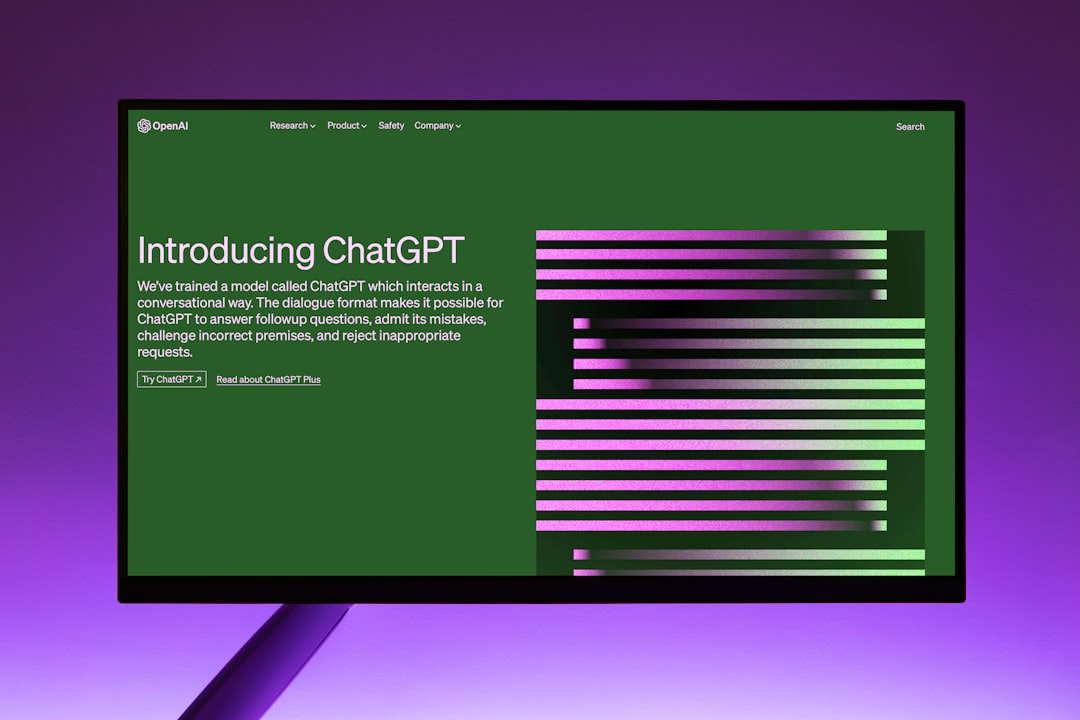
ChatGPT ads vs google ads stopped being a thought experiment the moment OpenAI confirmed it was testing ads inside ChatGPT on January 16, 2026. If you run growth for a DTC brand, a B2B team, or you manage accounts for clients, you are probably asking the same thing we are hearing every week: should you move money, or just watch from the sidelines?
At crackerJCK, we do not make budget calls based on hype. You are trying to buy intent, not novelty. So this post is a straight, operator-style comparison of where ChatGPT Ads can help, where Google Ads still carries the load, and how to run a test you can actually learn from.
Two shifts hit at once.
First, OpenAI publicly confirmed it was testing ads inside ChatGPT. The market read that as a green light, and spend followed quickly. The point is not that early revenue proves performance. It is that inventory and advertiser interest are moving fast enough that you should at least know how the channel works before your competitors do. If you want a clean snapshot of the broader momentum across AI search, Digital Applied’s breakdown of AI search advertising momentum is a solid starting place.
Second, Google’s search experience continues to get more answer-forward. If your search CTR has felt a little weird lately, you are not imagining it. We have been seeing the same pattern across accounts, and we laid out what is happening and why it matters in our analysis of Google AI Overviews and paid search CTR.
Calling both of these “search ads” can trick you into treating them the same. They are not the same purchase.
Google Ads is still the place you capture demand that already exists. Someone types what they want, you show up, and your job is to win the auction while keeping CAC in check. If the query is sharp, the intent is obvious.
ChatGPT Ads show up inside a conversation. The ad is context-matched to what the person is asking about, and OpenAI has said paid placements are clearly labeled and separated from the model’s answers. They also talk about “Answer Independence,” meaning ads should not rewrite what the model would have recommended organically. If you want more detail on how that differs from Google’s AI-led ad experiences, Adventure Media’s comparison of Google and OpenAI AI search ads summarizes the approach well.
Practically, here is the way to think about it:
That difference changes everything from copy to landing pages to how you judge results.
You will see people compare click-through rate like it is the whole story. It is not, especially for AI search advertising.
On Google Search, clicks are the currency, and high CTR often correlates with tight query matching and strong ad relevance. On ChatGPT, a “good” ad might not get clicked right away because the user is still thinking. They might save the idea, ask two more questions, then come back to you later through branded search or direct traffic.
That said, the channel is not automatically low-engagement. Early reporting shows wide variance. Some advertisers are seeing very strong CTR when the offer and context line up, and they are also reporting better click quality than a lot of social traffic. Business Insider’s reporting on early ChatGPT ad performance highlights examples where best-in-class campaigns reached materially higher CTR than the “average” numbers being floated around.
If you want KPIs that keep you honest on ChatGPT Ads, start with these:
The pricing model is where a lot of teams get surprised.
Google Search is typically CPC. You pay for the click, which means you can usually learn something with controlled spend as long as you have enough conversion volume and a clean tracking setup.
ChatGPT Ads, based on early testing, have looked more like a CPM buy with meaningful minimums. That means you are paying for exposure inside the conversation, whether or not the person clicks. You can absolutely make that work, but you need to plan for it like an upper-funnel experiment, not like a keyword test.
Here is the budget reality we give clients:
The biggest issue with chatgpt ads roi right now is measurement. The reporting is still more aggregated than what you are used to, and the conversion plumbing is not as mature as Google’s. The channel can feel a bit like sponsorship marketing in your analytics. It nudges demand, but it does not always get credit on the last click.
Google still wins on conversion infrastructure. Between GA4 integrations, offline conversion imports, and established bidding systems, it is the most predictable demand-capture channel for a lot of businesses. Even pro-ChatGPT comparisons tend to land on that same point.
If you want to test ChatGPT Ads without turning your reporting into a guessing game, set this up first:
This is also where our agency stance matters. We run campaigns in client-owned accounts, so your data stays yours. When attribution is fuzzy, ownership and clean tracking become even more important.
ChatGPT Ads make the most sense when your customer starts with questions and needs help forming an opinion.
You should lean in if you are in:
You should be cautious if:
If you want a broader channel-selection lens that matches how people actually shop and scroll in 2026, pair this with our guide to picking the right paid social platform.
For most brands, the smart move is not “switch.” It is “stack.” Google stays your demand-capture engine. ChatGPT becomes a measured test where you are buying earlier influence.
In a lot of accounts, a 10 to 20% test allocation is enough to learn without blowing up your acquisition plan. Your exact number depends on category, traffic volume, and how quickly you can see downstream signals.
Inside Google, protect what pays the bills first:
If you are trying to pressure-test budget levels before you scale, use our Google Ads budget benchmarks and planning formula to set a target that matches your conversion economics.
You do not need a giant, complicated setup. You do need discipline.
When we run tests, we treat them like product experiments. Fixed window, clean measurement, and a clear “what would make us keep going” threshold. Also, we keep creative aligned to how the user is thinking in that moment. ChatGPT is a conversation, so your ad and landing page should feel like a helpful next step, not a banner slapped onto a SERP.
If you want a no-charge strategy conversation to map the forecast, tracking plan, and creative testing approach, reach out through our contact page or email us at hello@crackerjck.co. We will tell you if we think the test is worth it, even if the answer is “not yet.”
Is ChatGPT going to replace Google Ads?
Not in the near term. ChatGPT is strong for discovery and comparison. Google still dominates purchase-ready intent and has more mature conversion measurement. For most brands, ChatGPT is additive, not a replacement.
What is the biggest difference between ChatGPT Ads and Google Ads?
Google is query and keyword-driven, typically CPC-based, and built for bottom-funnel capture with robust attribution. ChatGPT Ads are context-matched inside a conversation, often more CPM-like in early pilots, and are better suited to influencing research-stage decisions.
How do you measure chatgpt ads roi if conversion tracking is limited?
Use UTMs, a dedicated landing page, and CRM tagging for “ChatGPT influenced” leads. Track branded search lift and downstream pipeline quality. Judge success on assisted value and close rates, not only last-click ROAS.
Which businesses should test AI search advertising in ChatGPT first?
B2B SaaS, professional services, and high-consideration products where buyers start with questions tend to be the best fit. If your customer journey begins with education and tradeoffs, you are more likely to see value.
What budget should you plan for a meaningful test?
For Google Search, you can often learn with modest spend if you have clear intent targeting and enough conversion volume. For ChatGPT Ads, expect a higher minimum because you are paying for impressions and you need enough reach to observe downstream effects.
With chatgpt ads vs google ads, the clean answer is usually “both, with different jobs.” Keep Google as your measurable demand-capture channel. Test ChatGPT when your buyers use AI to think, compare, and narrow options. If you want an operator-level recommendation tied to your margins, funnel, and tracking reality, email us at hello@crackerjck.co and we will help you plan a test you can actually learn from.